What is food noise, and how do you turn it down?
Constant thoughts about your next snack aren't a character flaw. Here's what food noise is, what drives it and what helps.
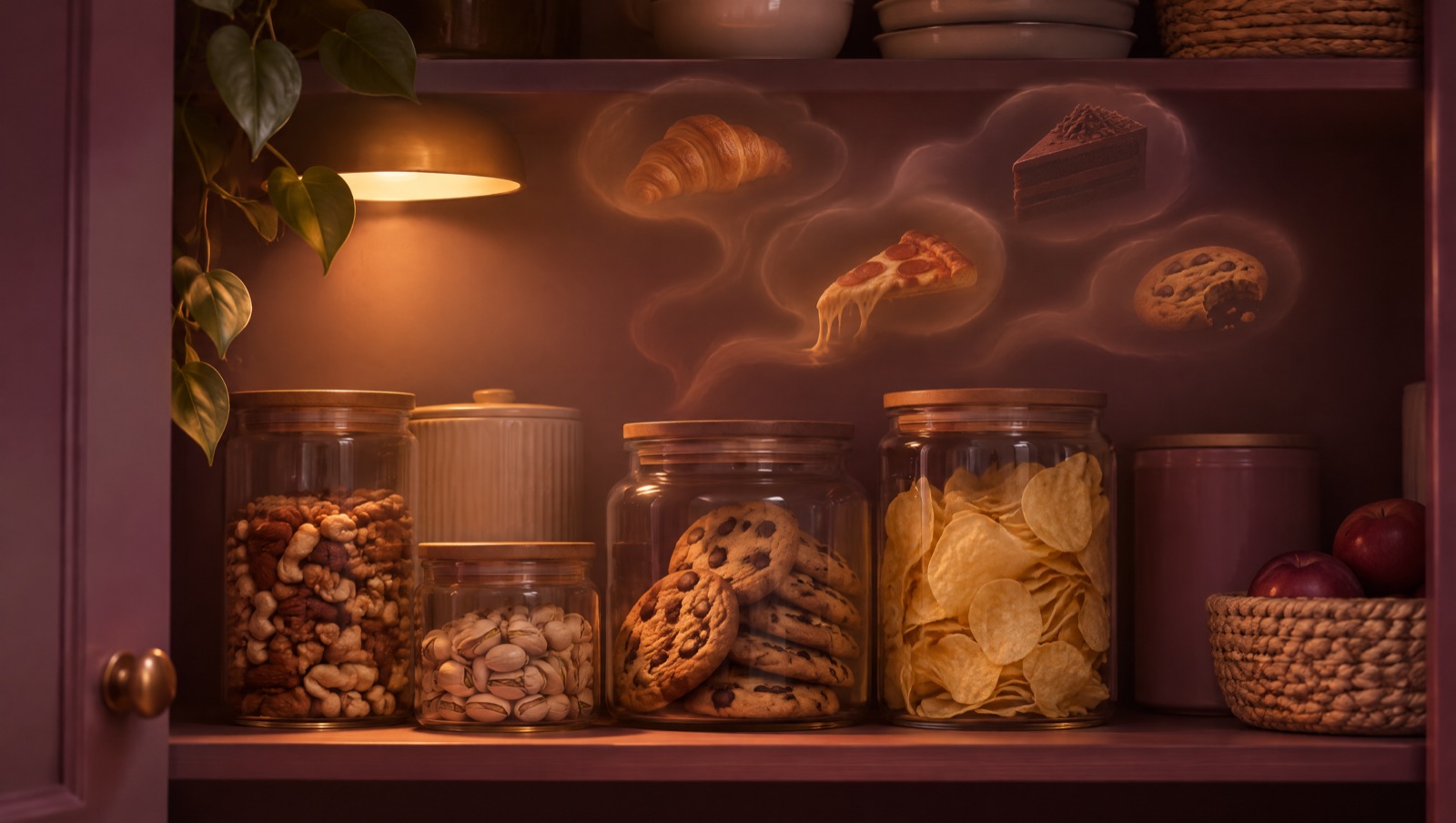
You finish lunch and you're already wondering about the snack drawer. You're watching a show and thinking about the cookies in the cupboard. If food takes up a lot of space in your head, you're not alone. Many people describe this as "food noise."
What is food noise?
Food noise is an informal term, not a medical diagnosis. People use it to describe frequent, intrusive thoughts about food: what to eat next, whether to have that snack, regret about what you just ate. It's different from ordinary hunger. Hunger builds gradually and goes away when you eat; food noise can keep going even when you're full.
The term became widely known when many people taking GLP-1 medications described how their constant thoughts about food suddenly went quiet. That experience suggested something important: for many people, food noise is largely biological, not a lack of discipline.
What turns up the volume
Biology
Appetite is controlled by a network of hormones and brain circuits that respond to hunger, fullness and reward. People differ a lot in how strongly these signals fire. Some have naturally louder hunger and reward responses to food.
Restriction
Strict dieting, skipped meals and "forbidden" foods tend to make food more interesting to your brain, not less. The more off-limits something is, the more often you think about it.
Highly palatable foods
Foods engineered to combine sugar, fat, salt and crunch (chips, cookies, pastries) are especially rewarding and easy to overeat. Having them visible and within reach keeps your brain coming back to them.
Stress, tiredness and boredom
Food is a quick, reliable source of comfort and stimulation. Short sleep, in particular, increases hunger and cravings the next day.
Cues all around you
Smells, ads, delivery notifications, the kitchen you walk past twenty times a day: each one can trigger a thought about eating.
How to quiet food noise
- Eat regular, filling meals. Three meals with protein and fiber (plus a planned snack if you need it) keep true hunger from piling on top of food noise.
- Stop banning foods. Allow small, planned portions of foods you love. Taking away the "forbidden" label often takes away some of the pull.
- Reduce cues. Store snacks out of sight, turn off food-delivery notifications, avoid eating in front of screens.
- Name it and wait. When a food thought pops up, notice it ("that's food noise, not hunger"), drink some water and give it 10–15 minutes. Urges often peak and fade.
- Have a non-food default for stress and boredom: a short walk, a call, a shower, a few minutes outside.
- Sleep enough. It's one of the most effective appetite regulators you have.
- Log for awareness. Tracking what and when you eat for a couple of weeks can reveal patterns, like the 4 pm slump or the post-dinner kitchen visit.
When to get help
If thoughts about food feel overwhelming, involve regular episodes of eating large amounts while feeling out of control, or come with strong guilt, shame or compensating behaviors, talk to a doctor or a specialist in eating disorders. These are common, treatable problems, and getting support is a sign of strength.
The short version
- Food noise means constant, intrusive thoughts about food, and it's largely biological.
- Restriction, palatable foods, stress, short sleep and food cues make it louder.
- Regular filling meals, fewer bans, fewer cues and better sleep help turn it down.
This article is for general information and isn’t a substitute for advice from your doctor or a registered dietitian.
Let the app do the math
EatCount tracks calories and protein from a photo or a sentence. Join the waitlist for early access.